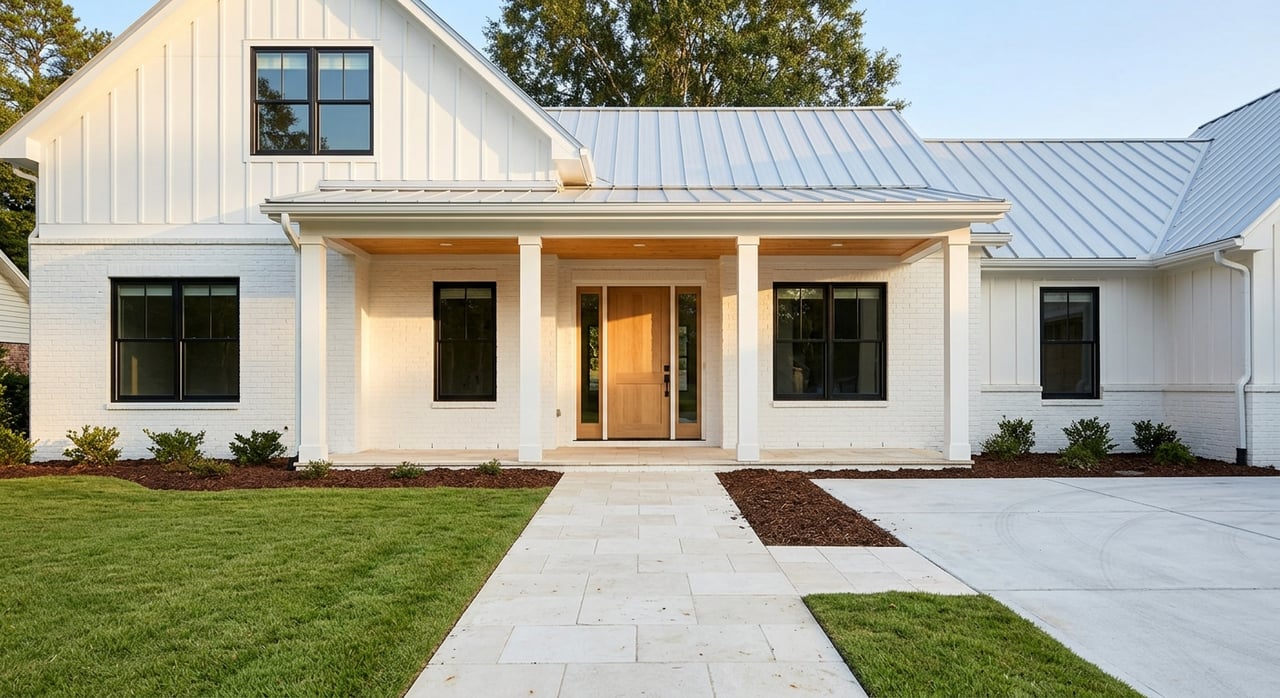
Looking at a golf community in Northeast Florida and wondering whether you should buy resale or go new? It is a smart question, because in this part of Florida, the choice is about more than age and finishes. You are also weighing club structure, dues, reinvestment, location, and long-term ownership costs. If you want a clearer way to compare your options, this guide will walk you through what matters most. Let’s dive in.
Why golf communities vary so much
Northeast Florida offers a wide range of golf community lifestyles. Some are oceanfront or near the beach, some sit along the Intracoastal or riverfront, and others are inland with a more traditional club setting.
That variety matters when you buy. Sawgrass Country Club in Ponte Vedra Beach is a member-owned oceanfront community with 27 holes and a beach club. Palencia is a master-planned community built around an Arthur Hills championship course and a boardwalk system, while Queen’s Harbour is tied closely to the Intracoastal Waterway, tidal marshlands, and marina features.
You will also find communities with different histories and ownership models. Timuquana is an established private club on the St. Johns River, Jacksonville Golf & Country Club is a private member-owned club near the beaches, and Glen Kernan completed a major reimagining in 2024.
The takeaway is simple: a golf community is not one single product in Northeast Florida. The house matters, but the club setup and the community’s long-term direction can matter just as much.
What new construction offers
New construction often appeals to buyers who want a fresh start. You may prefer a current floor plan, newer mechanical systems, and less immediate maintenance compared with an older home.
That can be especially appealing if you want a move-in-ready feel. A newly built home has not had years of wear, and for many buyers, that creates peace of mind during the first few years of ownership.
New homes also often come with a builder warranty. According to the research provided, workmanship and materials are generally covered for one year, HVAC, plumbing, and electrical for two years, and some major structural defects for up to 10 years.
Still, warranty coverage is not unlimited. You should understand exactly what is covered, what is excluded, and what your process would be if a problem shows up after closing.
New construction can mean different upfront costs
If the home is not yet built, you may be asked for an upfront deposit, often called earnest money. That is common in new construction, but it is one more reason to review the contract carefully before you commit.
It is also worth remembering that you do not have to use the builder’s affiliated lender. Keeping your financing options open can help you compare terms and choose what fits your goals best.
Lower early fees may not tell the full story
In some master-planned communities, the early monthly HOA fee can look attractive. But Florida law adds an important layer for buyers to understand.
Under Chapter 720, reserve accounts may be included in the HOA budget for capital expenditures and deferred maintenance. While a developer controls the HOA, the developer is not required to include reserves and may determine the amount if reserves are included.
That means lower fees during the early phase of a community do not always equal lower long-term ownership costs. If reserves are underfunded, future owners may face special assessments later.
What resale offers
Resale homes often give you a more complete picture of what you are buying into. In an established golf community, you can usually see how the neighborhood functions, how the amenities are used, and how the club feels day to day.
That can be a real advantage in Northeast Florida. Sawgrass traces its history to the early 1970s, Timuquana was established in 1923, and Jacksonville Golf & Country Club dates to the late 1980s. These communities have a track record that buyers can evaluate more directly.
With resale, you can also assess the setting as it exists today. That includes the streetscape, landscaping, traffic patterns, club activity, and how the home fits into the surrounding community.
Resale may open doors to established clubs
Many of the region’s most established golf lifestyles are accessed through resale homes. If you are drawn to a mature club environment, a more settled neighborhood feel, or communities with long-standing amenities, resale may give you more options.
This is especially true in places where the club, waterfront features, beach access, or member culture are a major part of the appeal. In those cases, the overall lifestyle can outweigh the appeal of having brand-new finishes.
Florida disclosures help resale buyers
Florida law gives resale buyers useful protections. Before executing a contract, a prospective buyer must receive a disclosure summary stating that the buyer will be required to join the association, follow recorded covenants, and pay assessments.
If that disclosure was not provided before the contract was signed, the buyer can void the contract by giving written notice within 3 days after receiving the disclosure summary or before closing, whichever comes first. That makes it important to review association documents early.
Reinvestment matters more than age
A resale home is not automatically the lesser option. In many golf communities, long-term appeal depends less on whether the house is newer and more on whether the club and community continue to reinvest.
Northeast Florida offers several strong examples. Sawgrass has completed multiple renovations, including updates to its fitness center, beach club, and clubhouse. Jacksonville Golf & Country Club approved a $30 million transformation, and Glen Kernan completed a $32.8 million reimagining in 2024.
Palencia also states that it continues to invest in facilities, hospitality, and programming. For buyers, that means a well-located resale home in a refreshed club can compare very well with a newer home in a community that is not keeping pace.
Club structure affects the buyer experience
Not every club works the same way. In the communities referenced in the research, Sawgrass and Jacksonville Golf & Country Club are member-owned, while Palencia is owned and operated by Heritage Golf Group.
Queen’s Harbour and Glen Kernan also emphasize distinct membership structures. Palencia offers membership to both residents and non-residents, while Glen Kernan describes membership as limited and invitation-based.
These differences can affect your costs, access, and future resale pool. When you compare homes, it helps to compare the club model just as carefully as the property itself.
Key questions to ask before buying
Whether you choose resale or new construction, your due diligence should stay focused on practical details. A beautiful home and a great golf setting still need to work on paper.
Ask questions like these early in the process:
- Is club membership mandatory or optional?
- Are there separate HOA dues and club dues?
- Is there an initiation fee, transfer fee, or capital contribution?
- Is the HOA still developer-controlled?
- If it is developer-controlled, how are reserves being funded?
- Can you review the association’s official records and annual financial report?
- Can you obtain an estoppel before closing?
Florida HOAs must maintain official records for at least 7 years and generally make them available for inspection within 10 business days after a written request. Annual financial reports follow a statutory schedule, and estoppel certificates must be issued within 10 business days of request.
For buyers, that means you may be able to review dues, unpaid balances, contracts, and reserve status before closing. In a golf community, that information can be just as important as the kitchen finishes or the view from the lanai.
Do not overlook insurance and location risk
In Northeast Florida, some golf communities are near the ocean, Intracoastal Waterway, marshes, or riverfronts. That can be part of the lifestyle appeal, but it can also affect insurance and long-term costs.
The research advises buyers to check disaster risk early because building codes, energy efficiency, and location can change insurance and utility costs. This is especially important when you are comparing a new home with a resale property in a water-adjacent setting.
A newer build may offer advantages tied to current construction standards, while a resale home may offer a stronger location within an established club. The right answer depends on how you balance lifestyle, cost, and comfort with risk.
How to decide between resale and new construction
If you value a fresh floor plan, new systems, and fewer immediate maintenance concerns, new construction may be the better fit. It can make sense if you want a home that feels current from day one and you are comfortable digging into developer documents, reserves, and contract terms.
If you value a mature neighborhood, a more established club lifestyle, and the ability to evaluate the community as it exists today, resale may be the stronger option. It can also be a smart path into some of Northeast Florida’s most recognized golf communities.
In many cases, the best choice is not simply newer versus older. It is the home, the club, the fee structure, the reserve picture, the location, and the level of reinvestment all working together.
Buying in a golf community is a lifestyle decision as much as a real estate decision. If you want help comparing resale opportunities with new construction in Northeast Florida’s golf communities, Glen Hamilton can help you evaluate the details that shape both your day-to-day experience and your long-term value.
FAQs
Should you buy resale or new construction in a Northeast Florida golf community?
- It depends on your priorities. New construction may offer newer systems and a fresh layout, while resale may give you a clearer view of the club, neighborhood, and long-term community character.
What should you ask about golf community membership before buying?
- Ask whether membership is mandatory or optional, what dues apply, and whether there are initiation fees, transfer fees, or capital contributions tied to ownership.
Why do HOA reserves matter in a golf community purchase?
- Reserve funding can affect your long-term costs. If reserves are low or underfunded, owners may face special assessments later.
What makes resale homes attractive in established golf communities?
- Resale homes often let you evaluate the neighborhood, amenities, club activity, and financial structure more directly because the community is already operating and matured.
How can water-adjacent golf communities affect ownership costs in Northeast Florida?
- Homes near the ocean, marsh, river, or Intracoastal may have insurance and utility cost differences based on location, building standards, and disaster risk factors.