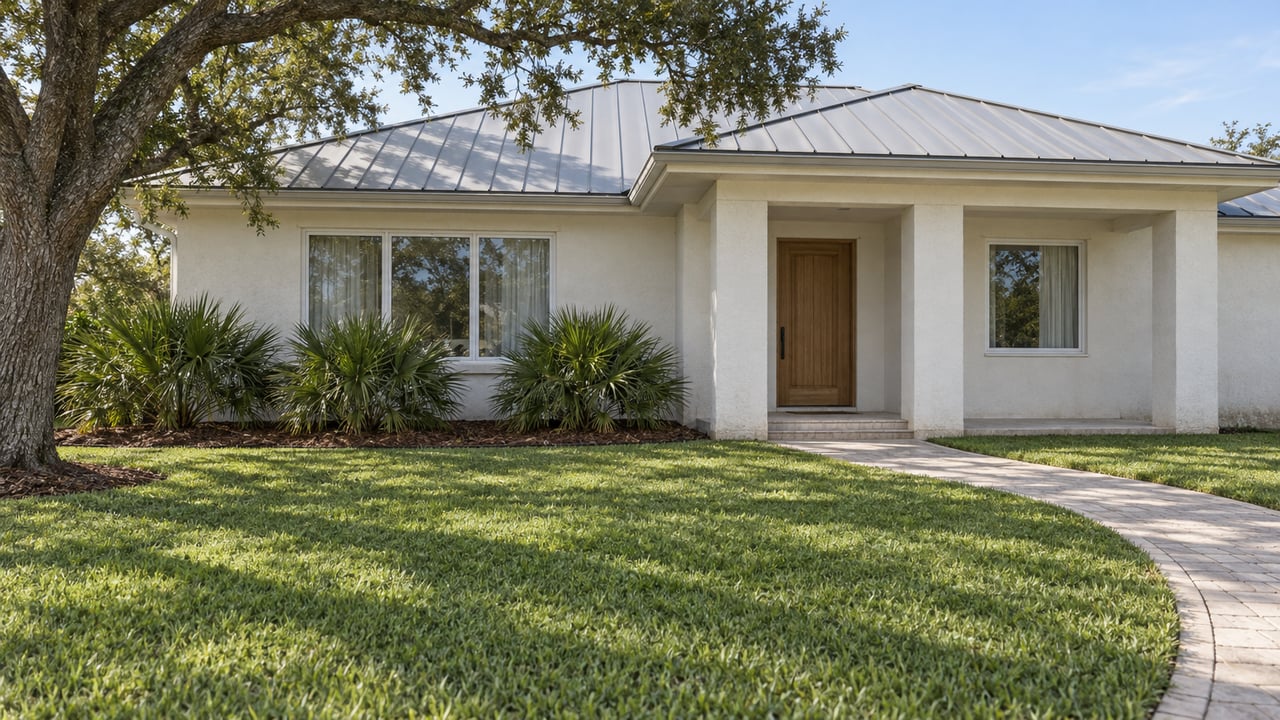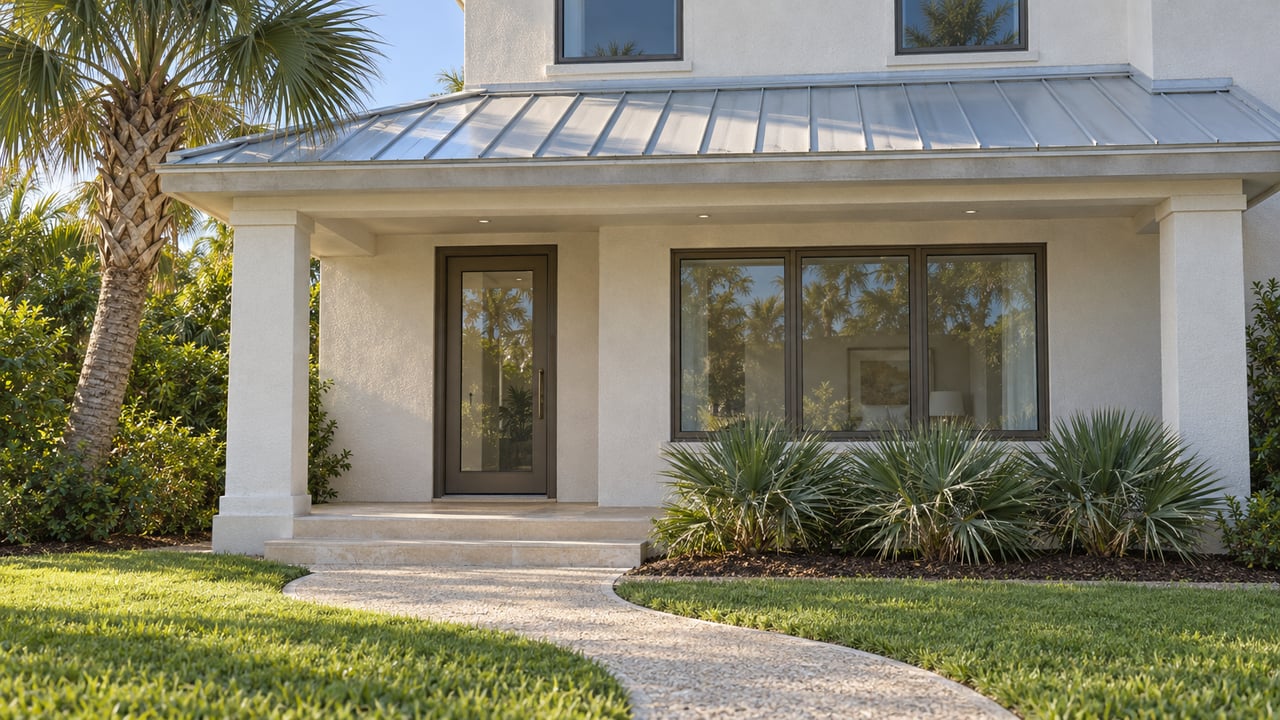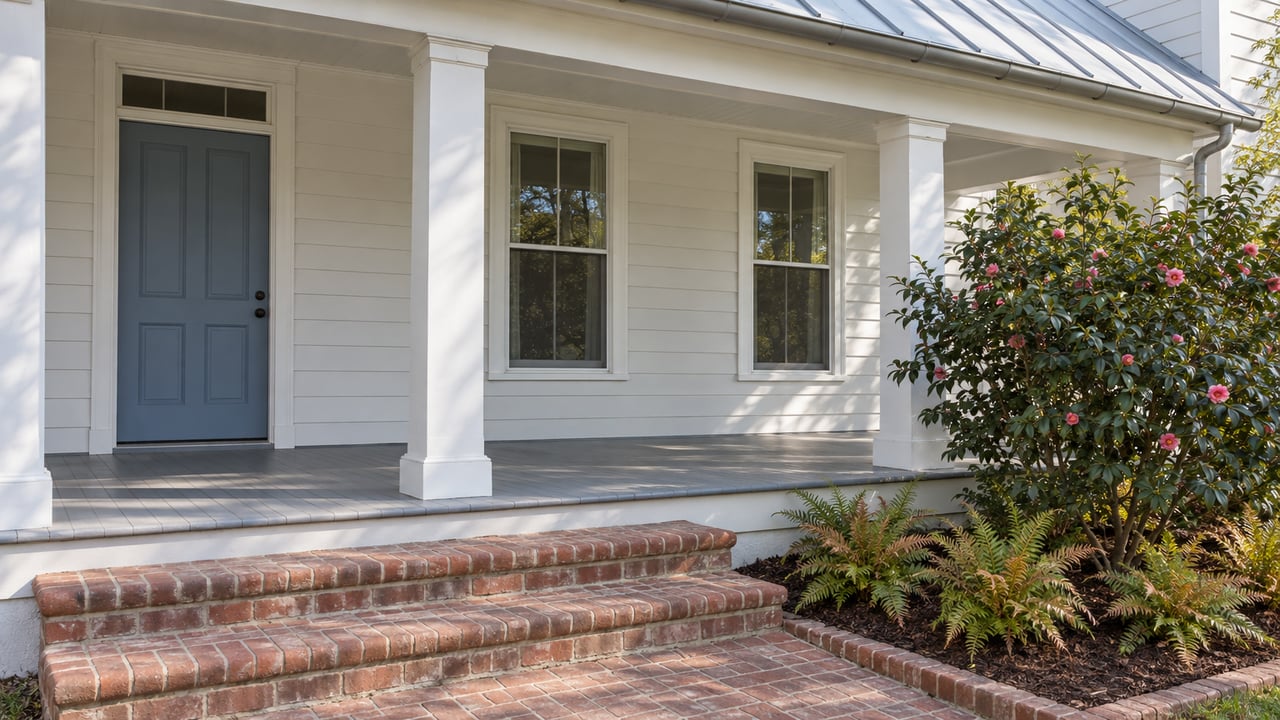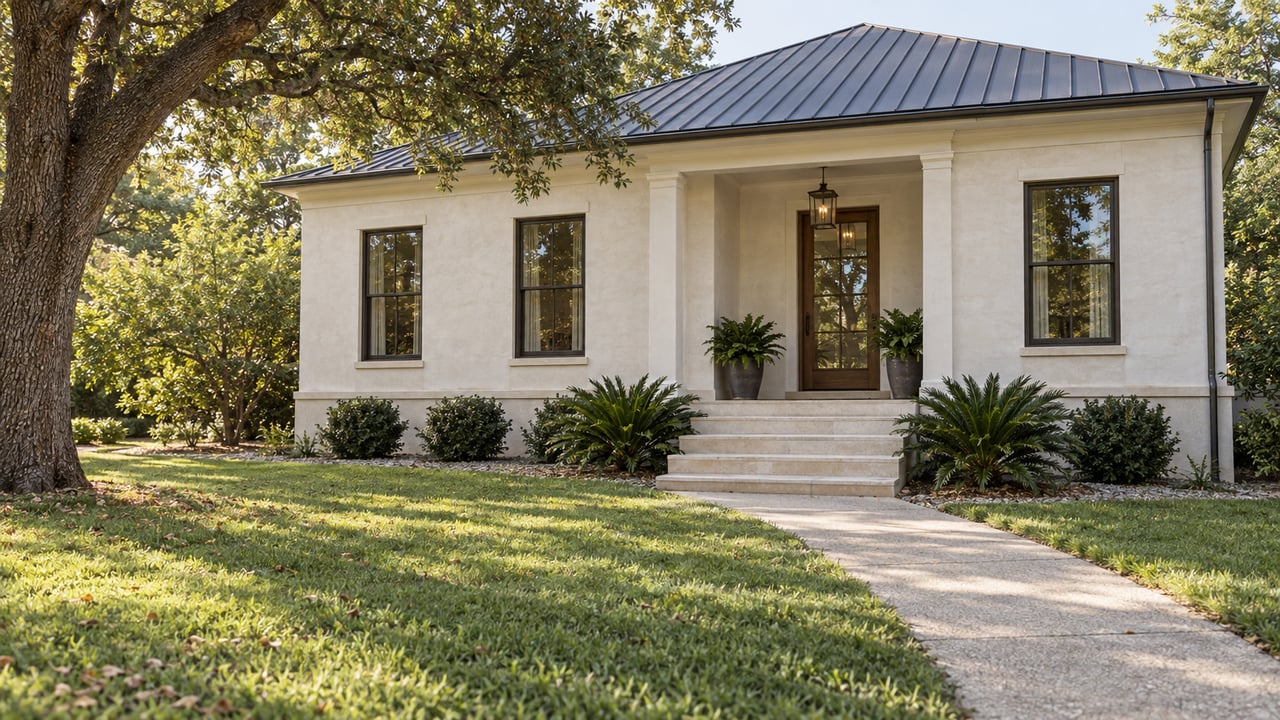
Two buyers put offers on homes three doors apart in San Marco this year. Same block, same flood zone designation on the listing sheet, same river a few hundred feet away. One buyer's flood insurance quote came back under $700 a year. The other's came back over $4,000. Nothing on either listing predicted the gap. The zone letter, AE in both cases, told them almost nothing about what that policy would cost.
That gap is not a fluke of the San Marco market. It is how flood insurance actually works now, and it matters more here than in most Jacksonville neighborhoods because San Marco's housing stock, its riverfront exposure, and its wide price spread all collide at exactly the point where the old shortcut, "check the zone," stopped being reliable.
The Zone Still Matters, But It Doesn't Set the Cost
For decades, FEMA priced flood insurance largely off the zone a property sat in. AE meant one rate table. That changed with the National Flood Insurance Program's Risk Rating 2.0 methodology, which FEMA fully implemented in April 2023 and which is now the pricing engine behind every new and renewed NFIP policy. Under this system, FEMA calculates a premium from a property's own characteristics: distance to the flooding source, the elevation of the lowest floor relative to base flood elevation, foundation type, flood type (riverine versus storm surge versus heavy rainfall), and the cost to rebuild the structure.
What has changed is that the zone no longer previews the bill. A San Marco home in Zone AE with a first floor set several feet above base flood elevation and a flood-resistant foundation can price lower than a Zone X home nearby with a slab built at grade. FEMA's own guidance is explicit that pricing now runs on more than thirty property-specific data points rather than a single zone-based chart.
For a neighborhood built almost entirely along the St. Johns River, that distinction is not academic.
What San Marco's Price Range Is Actually Hiding
Ask three sources what a home costs in San Marco in 2026 and you'll get three different numbers, not because anyone is wrong but because "San Marco" covers several distinct products. Recent estimates for the neighborhood have put the median anywhere from the low $300,000s, weighted toward condos and townhomes, up to $990,000 when the sample skews toward larger single-family listings. Break the range apart by product type and the picture gets clearer: condos and townhomes generally run $300,000 to $500,000, restored historic bungalows and cottages run $600,000 to $1.2 million, and the riverfront estates that trade every year or two start well above $1.5 million.
That spread already tells you square footage alone won't explain price in this neighborhood. What it doesn't tell you, and what a median or a per-square-foot number can never tell you, is how much of that price tag comes with an insurance obligation that depends on things a comps sheet doesn't show. A $700,000 historic home two blocks off the Square and a $700,000 home the same distance from the river but on a lower parcel can carry very different carrying costs the day after closing, purely on flood insurance, before you've touched the homeowners policy or the roof.
San Marco's housing stock compounds this. Most of the neighborhood was built between the 1920s and 1960s, with a heavy concentration from the neighborhood's original 1920s development around what is now San Marco Square, designed at the time to echo Venice's Piazza San Marco. Homes from that era were built to the codes and flood assumptions of their decade, not this one. Elevation, foundation type, and prior flood history vary block to block and sometimes lot to lot, which is exactly the kind of variation Risk Rating 2.0 was built to price and exactly the kind of variation a zone map was never built to show.
Same Zone, Same Street, Different Bill
The FEMA methodology change isn't a theoretical point. Insurance advisors working Northeast Florida transactions have flagged San Marco specifically as a place where two homes in the same AE zone, sometimes on the same street, can carry premiums that differ by thousands of dollars once elevation and foundation differences are factored in.
Prior claims history adds another layer that a zone map can't surface at all. In at least one documented San Marco case, a buyer's insurance quote jumped after a prior flood loss on the property came to light late in the transaction, even though the flood zone designation itself hadn't changed. The zone told the lender coverage was required. It said nothing about the home's own flood history, which turned out to be the variable that actually moved the number.
This is the part that catches buyers off guard closer to closing than anyone would like. Northeast Florida's median flood insurance premium sat around $983 a year in an April 2026 review of area policies, with Florida's statewide NFIP average closer to $1,363. But that median describes almost nothing about any one property. The real spread in the same review ran from under $500 for low-risk Zone X coverage up to $5,000 to $15,000 or more for the highest-risk coastal exposure. A San Marco riverfront home and a San Marco home four blocks inland are not drawing from the same part of that range, and neither are two homes that happen to share a zone letter.
The Quote That Moved From $300 to $3,000 and Back
One case that circulates among Jacksonville insurance advisors illustrates how much can ride on getting the property-specific details right before you're locked into a closing date. A Jacksonville-area buyer's flood insurance quote came back at roughly $300, then jumped to around $3,000 with no clear explanation as the deal moved toward closing. The flood zone hadn't changed. What had happened was a data or determination error in how the property's elevation had been recorded. Once the buyer's team pulled the current FEMA flood maps, confirmed the correct elevation data, and challenged the determination, the premium dropped back to roughly $300 and the deal closed on schedule.
Not every discrepancy resolves that cleanly, and not every buyer catches it in time. The lesson isn't that flood insurance quotes are unreliable. It's that a quote generated from incomplete or outdated elevation data can look dramatically worse, or better, than what the property should actually cost to insure, and the only way to know which one you're looking at is to check the underlying data before you're committed.
What to Actually Check Before You Write an Offer
The zone letter on the listing is a starting point, not an answer. Before an offer goes in on a San Marco property, or before the inspection period runs out on one already under contract, it's worth confirming a short list of specifics rather than relying on the zone alone:
- Pull a current flood zone determination for the exact address through FEMA's Flood Map Service Center rather than trusting an old listing sheet or a neighbor's policy as a stand-in.
- Ask the seller whether an elevation certificate exists for the property. a documented elevation above FEMA's automated estimate can meaningfully change the quote.
- Request a property-specific flood insurance quote, not a zone-based estimate, and do it early enough in your due diligence period to still have contractual protection if the number comes back higher than expected.
- Ask directly about prior flood claims or water intrusion on the property. Loss history can move a premium independent of the flood zone, and it tends to surface late if nobody asks early.
- Compare NFIP and private flood quotes side by side. Private markets have priced competitively in some Northeast Florida zones, particularly Zone X and higher-value replacement costs, while NFIP has sometimes held an edge on legacy-rated high-risk properties.
None of this replaces a conversation with a licensed insurance agent who can quote the specific address. It just means you're walking into that conversation with the right questions instead of a zone letter and a guess.
A Few Questions Worth Asking Before You Assume the Worst
Why might I carry flood insurance in Zone X? A meaningful share of national flood claims come from properties outside high-risk zones, which is one reason buyers may carry a policy, particularly this close to the St. Johns River.
Can I just use the seller's current premium as my estimate? Not reliably. Risk Rating 2.0 prices new policies off the property's current data, not the seller's history with it.
Will getting an elevation certificate guarantee a lower premium? No, though it often helps. FEMA's methodology treats the certificate as one data point among many, and it's most useful when the automated elevation estimate the system would otherwise use understates how high the home actually sits.
If you're weighing a San Marco property against its flood insurance exposure, or trying to figure out what a listing's price actually buys once carrying costs are factored in, that's exactly the kind of question worth working through before you write an offer, not after. Glen Hamilton has spent years guiding Northeast Florida buyers through river and water-access purchases where the listing price was never the whole story. Let's connect before you're the one explaining a surprise premium ten days before closing.
This article is general information, not legal, tax or financial advice. Consult a qualified professional about your situation.